
How to Choose the Best Pension Fund for Your Needs?
Choosing the right pension fund is one of the most important financial decisions you’ll make for your future. The pension fund you select will impact your retirement lifestyle, your long-term financial security, and the peace of mind that comes from knowing you’ve planned effectively. Here are some key factors to consider when selecting the best pension fund for your needs.
1. Understand Your Retirement Goals
Before choosing a pension fund, it’s essential to have a clear understanding of your retirement goals. How much money will you need when you retire? What kind of lifestyle do you envision? Are you planning to retire early or later? Understanding your retirement goals will help you determine how much risk you’re willing to take with your pension fund investments.
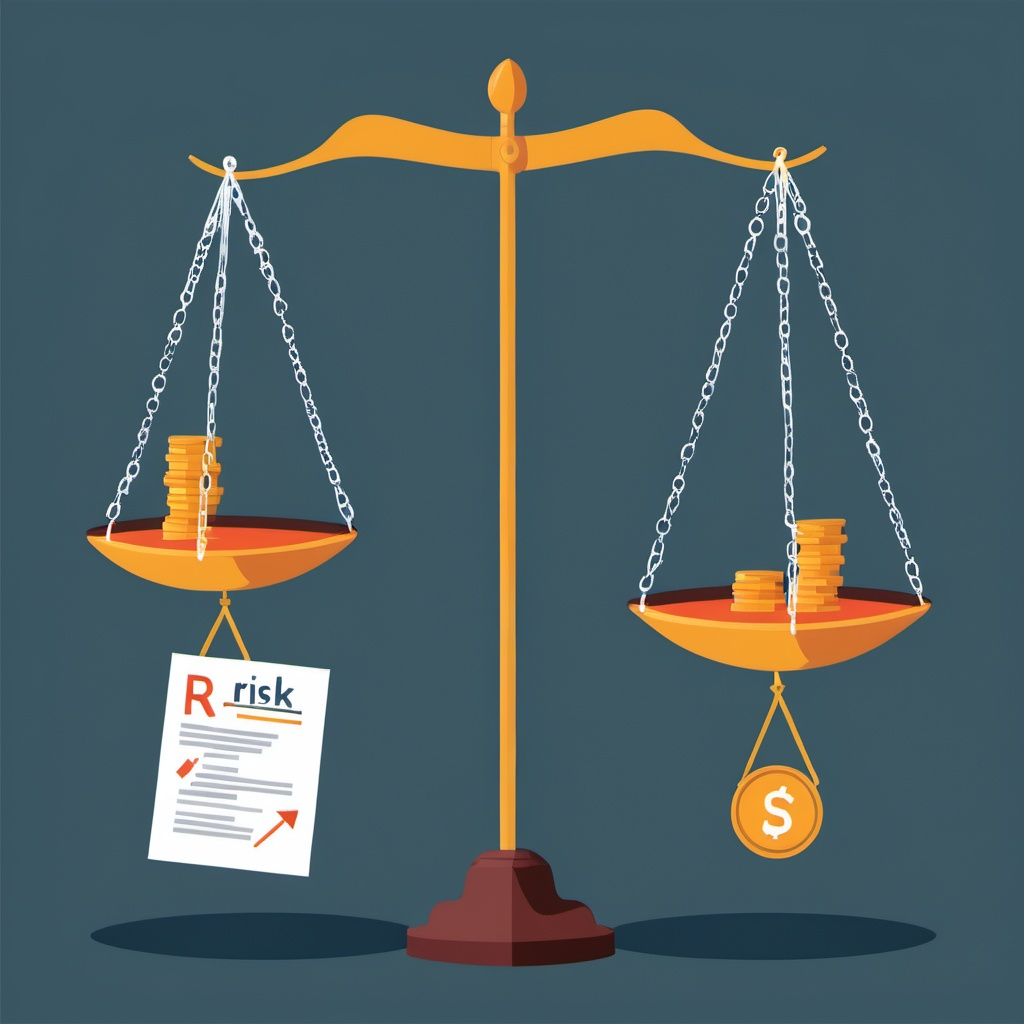
2. Evaluate the Risk vs. Reward
Pension funds invest in a range of assets, and each fund has a different level of risk associated with it. Some pension funds invest more heavily in stocks, which offer higher returns but also come with greater volatility. Other funds are more conservative, investing in bonds and other lower-risk assets for steadier but smaller returns.
When selecting a fund, think about your risk tolerance. If you’re young and have many years to invest, you might be comfortable taking on more risk for the potential of higher returns. However, if you’re closer to retirement, you may want to choose a fund that’s more conservative to protect your savings.
3. Consider the Fund’s Performance History
A fund’s past performance is not a guarantee of future success, but it can give you an idea of how well it has performed under different market conditions. Look at the fund’s track record over the past 5 to 10 years. Does it show steady growth? Has it weathered financial crises successfully? Compare the performance of several funds to see which has the most consistent results.
4. Check the Fees and Charges
All pension funds charge management fees, but the level of those fees can vary significantly. High fees can eat into your long-term returns, so it’s important to consider the fees when selecting a fund. Look for funds with reasonable charges, but remember that sometimes a higher fee might be justified by superior management or higher returns.
Make sure you understand all the costs involved, including any initial setup fees, ongoing management fees, and any potential exit fees if you want to switch funds in the future.
5. Fund Flexibility
Some pension funds offer flexibility in terms of how much you can contribute, when you can access your money, and how you can manage your investments. If flexibility is important to you, look for a fund that allows you to adjust your contributions or change your investment options over time as your financial situation or goals evolve.
6. Consider the Fund’s Risk Profile
Each pension fund has its own risk profile, which should align with your personal financial goals. If you are risk-averse, choose a fund that invests in more conservative assets like government bonds or stable companies. If you’re comfortable with higher risk, look for funds that focus on stocks or alternative investments.
It’s also important to consider the fund’s diversification. A diversified fund, with a mix of different types of assets, can help minimize risks and smooth out the impact of market fluctuations.
7. Seek Professional Advice
If you’re unsure about which pension fund to choose, or if you feel overwhelmed by the options available, seeking advice from a financial advisor can be helpful. A professional can assess your financial situation, risk tolerance, and retirement goals, and help you make an informed decision about which fund is the best fit for you.
Conclusion
Choosing the best pension fund for your needs requires careful consideration of several factors, including your retirement goals, risk tolerance, fees, and the fund’s performance. By understanding these key factors and doing your research, you can make an informed decision that will help secure your financial future and ensure a comfortable retirement.