

Corporate Bonds vs. Government Bonds: Key Differences and Benefits
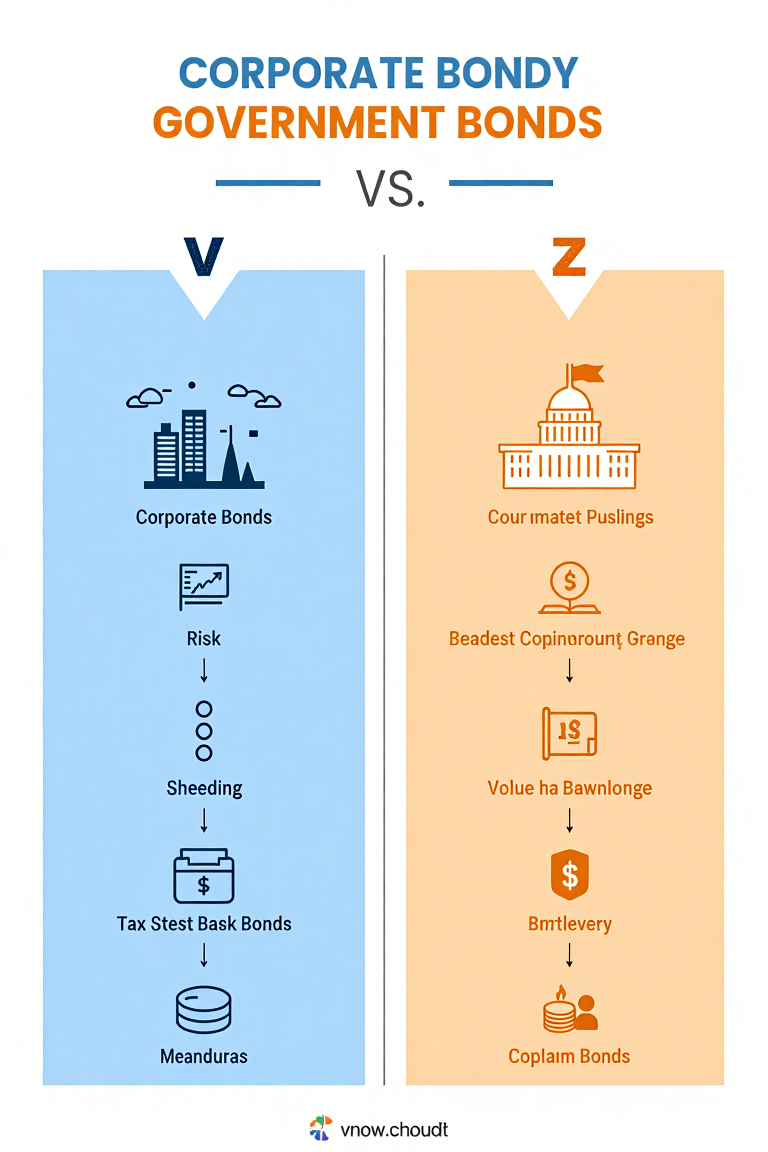
When it comes to investing in bonds, choosing between corporate bonds and government bonds can be a crucial decision. Each type offers unique benefits and risks that cater to different financial goals and risk appetites. This guide will help you understand the key distinctions between these two categories and how to determine which is best for you.
1. What Are Corporate Bonds?
Corporate bonds are debt securities issued by companies to raise capital for business operations, expansions, or other needs.
- Issuer: Corporations.
- Purpose: Funding business growth, mergers, or daily operations.
- Risk Level: Higher than government bonds, as repayment depends on the company’s financial health.
2. What Are Government Bonds?
Government bonds are debt instruments issued by national or local governments to finance public spending.
- Issuer: National governments (e.g., U.S. Treasury) or municipalities.
- Purpose: Financing infrastructure, healthcare, education, or other public projects.
- Risk Level: Considered low-risk due to government backing.
3. Key Differences
| Feature | Corporate Bonds | Government Bonds |
|---|---|---|
| Risk | Higher; depends on the company’s stability | Lower; backed by the government |
| Interest Rate | Typically higher to compensate for risk | Lower due to perceived safety |
| Liquidity | Moderate; depends on the bond’s demand | High; especially for bonds like Treasuries |
| Tax Benefits | Few; interest is taxable | Often tax-exempt, especially municipals |
| Default Rate | Higher potential for default | Extremely low for stable governments |
4. Benefits of Corporate Bonds
- Higher Returns: Corporate bonds often offer better yields than government bonds.
- Diverse Options: Investors can choose from various industries and credit ratings.
- Growth Potential: Companies with strong growth prospects can enhance the value of their bonds.
5. Benefits of Government Bonds
- Safety: Backed by the government, making them ideal for risk-averse investors.
- Liquidity: Easily tradable in financial markets.
- Tax Advantages: Municipal bonds often come with tax-free interest.
6. How to Choose the Right Bond?
- Assess Your Risk Tolerance:
If you’re risk-averse, government bonds are a safer option. For higher returns, corporate bonds may be more suitable. - Consider Your Investment Goals:
Are you looking for stable income or growth? Corporate bonds offer growth potential, while government bonds provide stability. - Evaluate the Time Horizon:
Short-term investors may prefer government bonds for liquidity, whereas long-term investors might opt for corporate bonds for better returns. - Check the Credit Rating:
Ratings from agencies like Moody’s or S&P can help you gauge the risk level of a bond.
7. Combining Both Types for Balance
A diversified bond portfolio often includes both corporate and government bonds. This strategy provides a balance of risk and reward, ensuring both safety and income generation.
Conclusion
Corporate bonds and government bonds serve different purposes in an investment strategy. Understanding their key differences and benefits can help you make informed decisions. By aligning your choices with your financial goals and risk tolerance, you can build a bond portfolio that meets your needs while minimizing risks.