

Tax Implications of Investing in Bonds
Investing in bonds can be a smart strategy to generate steady income and preserve capital, but it also comes with important tax considerations. Bond income, such as interest payments, can be subject to various taxes depending on the type of bond, the investor’s tax bracket, and the country or region they reside in. In this post, we will explore the tax implications of investing in bonds, including the different types of bonds, how bond income is taxed, and strategies to minimize taxes on bond investments.
Types of Bonds and Their Tax Implications
- Government Bonds
- Interest earned on government bonds, such as U.S. Treasury bonds, is generally exempt from state and local taxes but is subject to federal taxes. For example, if you hold U.S. Treasury bonds, you will not have to pay state or local income tax on the interest, but it will still be taxed at the federal level.
- Municipal Bonds
- Municipal bonds (issued by local government entities like states, cities, or counties) are generally exempt from federal taxes, and in some cases, state and local taxes if the investor resides in the state where the bond was issued. This makes municipal bonds a particularly attractive option for individuals in higher tax brackets.
- Corporate Bonds
- Corporate bonds are subject to federal, state, and local taxes on the interest earned. The tax treatment is similar to that of other types of income, meaning the interest income is taxed as ordinary income. These bonds generally offer higher yields because of the tax burden on the investor.
- High-Yield (Junk) Bonds
- High-yield bonds are subject to the same tax treatment as corporate bonds. Interest from high-yield bonds is taxed as ordinary income, and there is no tax exemption for state or local taxes unless the bond is issued by a municipality.
- International Bonds
- Interest from international bonds may be subject to foreign taxes in addition to U.S. or local taxes. Depending on the country, there may be tax treaties in place that reduce the amount of tax withheld, but international bonds can also bring the added complication of double taxation.
Taxation of Bond Interest
The interest earned from bonds is generally treated as ordinary income and is taxed according to your income tax bracket. The tax rate on bond interest can vary widely depending on the type of bond and your location. For example, interest from government bonds may be exempt from state and local taxes, while interest from corporate or high-yield bonds is taxed at the investor’s full marginal tax rate.
However, tax-free municipal bonds are an exception. These bonds are popular among individuals in higher tax brackets because they offer a tax advantage—interest from municipal bonds is exempt from federal taxes and often from state taxes as well if you reside in the state where the bond was issued.
Capital Gains and Bond Sales
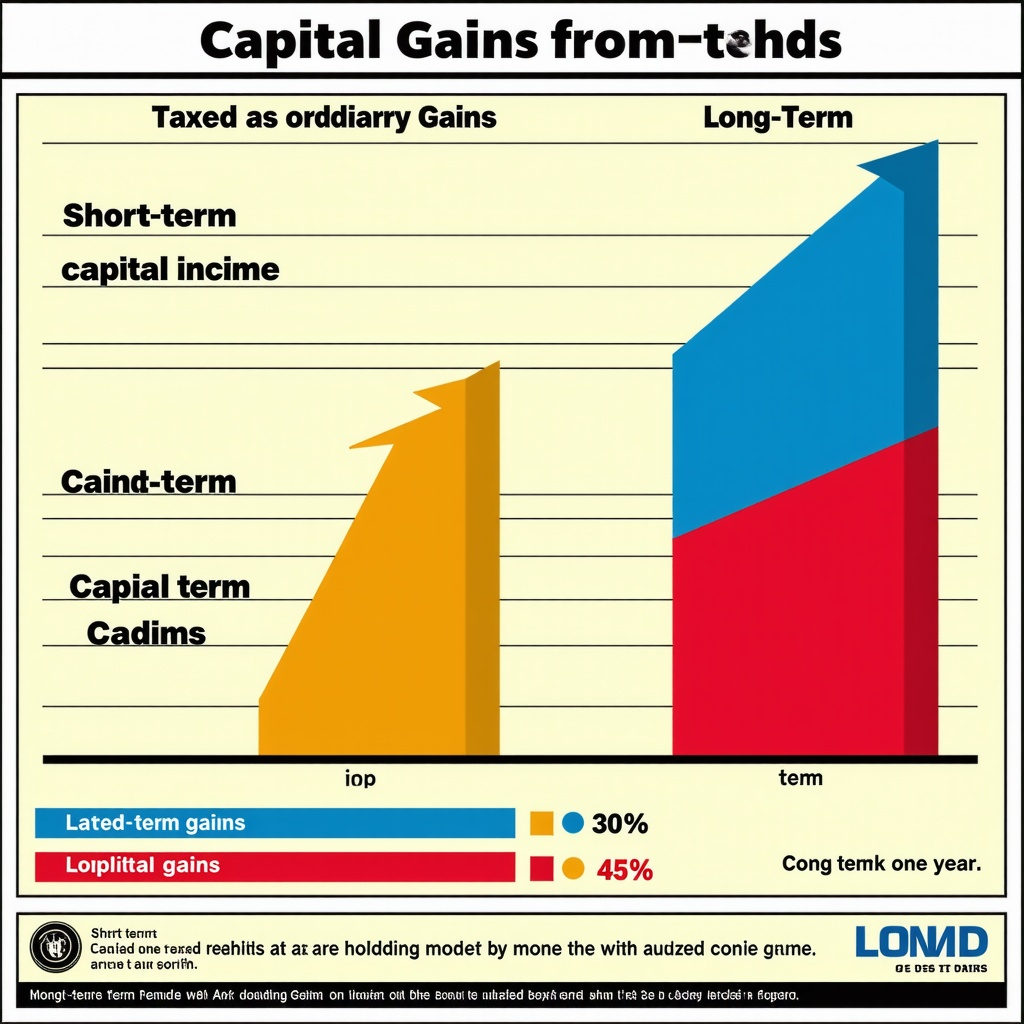
In addition to interest income, investors can also earn capital gains when selling bonds. Capital gains are taxed differently than interest income. If you sell a bond for more than you paid for it, the profit is considered a capital gain and may be subject to capital gains tax.
- Short-Term Capital Gains: If you sell the bond within one year of purchase, the gain is considered short-term and is taxed as ordinary income.
- Long-Term Capital Gains: If you hold the bond for more than one year before selling, the gain is subject to long-term capital gains tax, which is typically lower than the short-term rate.
Tax-Advantaged Accounts for Bond Investments
One way to minimize taxes on bond investments is by holding them in tax-advantaged accounts such as Individual Retirement Accounts (IRAs) or 401(k)s. When you invest in bonds through these types of accounts, the interest income and any capital gains are not taxed until you withdraw the funds. In some cases, withdrawals from these accounts may be taxed at a lower rate depending on the type of account.
- Traditional IRAs and 401(k)s: Taxes are deferred until retirement, and withdrawals are taxed at ordinary income rates.
- Roth IRAs and Roth 401(k)s: Contributions are made after-tax, but qualified withdrawals are tax-free, including any interest or capital gains from bonds held in the account.
Tax Strategies for Bond Investors
- Tax-Exempt Bonds
Consider investing in municipal bonds or other tax-exempt bonds to reduce your taxable income. If you’re in a higher tax bracket, these bonds can provide a significant tax advantage. - Tax-Deferred Accounts
Holding bonds in tax-deferred accounts like IRAs or 401(k)s can help you avoid paying taxes on the interest until retirement, which can be beneficial if you’re in a lower tax bracket in the future. - Tax-Loss Harvesting
If you sell bonds at a loss, you may be able to offset other taxable income using tax-loss harvesting. This strategy involves selling investments at a loss to reduce your overall tax liability. Be sure to consult with a tax professional to ensure this strategy is applied correctly. - Interest Deduction
If you’re investing through a taxable account, you may be able to deduct the interest on any margin loans used to purchase bonds, which can reduce your overall tax burden. Again, consulting a tax advisor is recommended.
Conclusion
The tax implications of bond investing can significantly impact your overall returns. While certain types of bonds, such as municipal bonds, offer tax advantages, most bond income is subject to taxes at various levels. By understanding how taxes apply to different bonds and using tax-advantaged strategies, investors can minimize their tax burden and maximize their investment returns. Always consider consulting with a tax advisor to ensure you’re making the most of tax-efficient strategies for your bond investments.