

The Risks and Rewards of Investing in Bonds
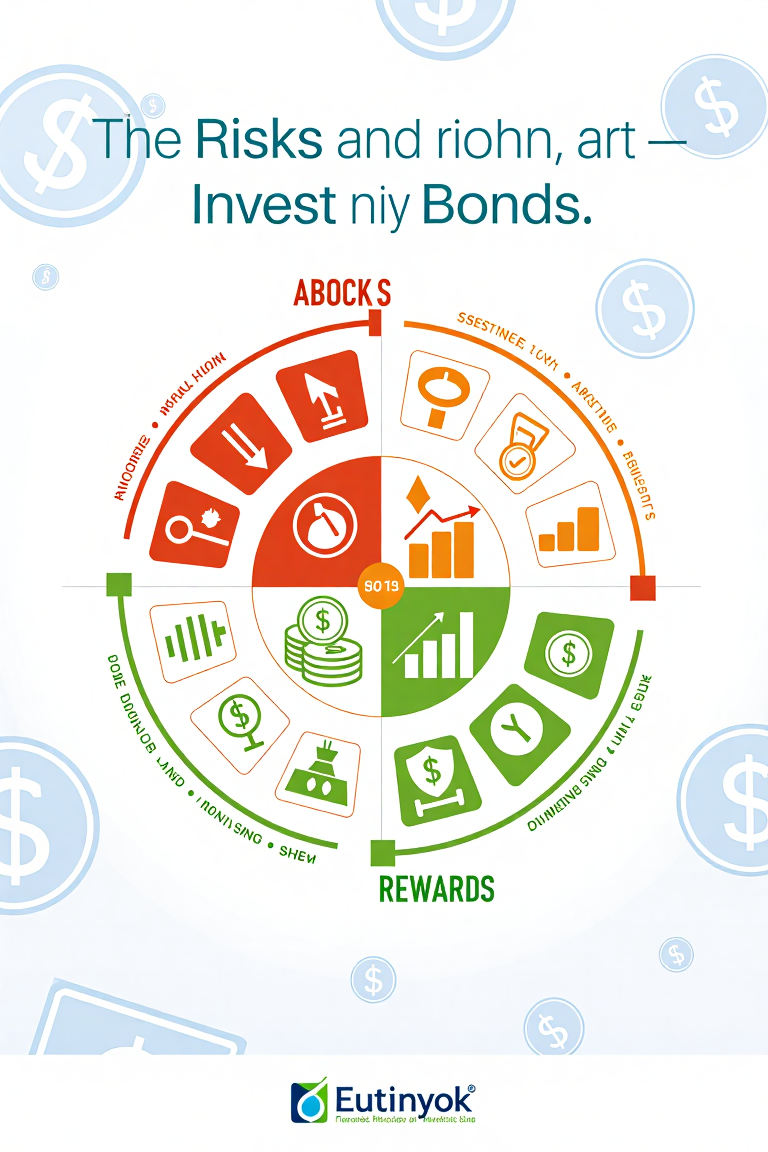
Bonds are often considered a safer investment compared to stocks, offering consistent returns and lower volatility. However, like any investment, they come with their own set of risks and rewards. Understanding these can help you make informed decisions and manage your portfolio effectively.
The Rewards of Investing in Bonds
- Steady Income
Bonds provide regular interest payments (known as coupon payments), which can be a reliable source of income, especially for retirees or conservative investors. - Capital Preservation
High-quality bonds, such as government or investment-grade corporate bonds, help preserve the initial investment, making them suitable for risk-averse investors. - Diversification
Bonds can balance the riskier assets in your portfolio, reducing overall volatility and protecting your wealth during market downturns. - Predictable Returns
Bonds offer a fixed interest rate, which provides clarity on the expected return, helping investors plan their finances. - Tax Advantages
Certain types of bonds, like municipal bonds, offer tax-free interest income, which can be particularly advantageous for high-income investors.
The Risks of Investing in Bonds
- Interest Rate Risk
Bond prices move inversely to interest rates. If rates rise, the value of existing bonds typically falls, which can result in losses if you need to sell before maturity. - Credit Risk
The bond issuer may default on interest payments or fail to repay the principal amount. This risk is higher for low-rated or high-yield (junk) bonds. - Inflation Risk
Rising inflation can erode the purchasing power of the fixed payments you receive, making bonds less attractive in inflationary environments. - Liquidity Risk
Some bonds, especially those issued by smaller companies, may be difficult to sell quickly without taking a loss. - Reinvestment Risk
When bonds mature or are called early, investors may struggle to reinvest the proceeds at equally favorable rates, especially in a low-interest-rate environment.
Balancing the Risks and Rewards
To maximize rewards while mitigating risks, consider the following strategies:
- Diversify Your Portfolio: Invest in a mix of government and corporate bonds across different sectors and maturities.
- Monitor Credit Ratings: Stick to bonds with high credit ratings (e.g., AAA or AA) if you’re risk-averse.
- Stagger Maturities: Use a laddering strategy by buying bonds with varying maturity dates to manage interest rate risk.
- Consider Inflation-Protected Bonds: Treasury Inflation-Protected Securities (TIPS) can safeguard your investment against inflation.
- Research the Issuer: Understand the financial stability of the issuer before investing.
Who Should Invest in Bonds?
Bonds are ideal for:
- Investors seeking steady income and capital preservation.
- Retirees looking to maintain a stable cash flow.
- Individuals aiming to balance their equity-heavy portfolios.
Conclusion
Investing in bonds can be a rewarding way to generate income and reduce portfolio risk. However, it’s essential to understand the potential downsides, such as interest rate and credit risks, to make informed decisions. By diversifying your investments and selecting bonds aligned with your financial goals, you can harness their benefits while mitigating potential pitfalls.