

Life Insurance Basics: Term vs. Whole Life Policies
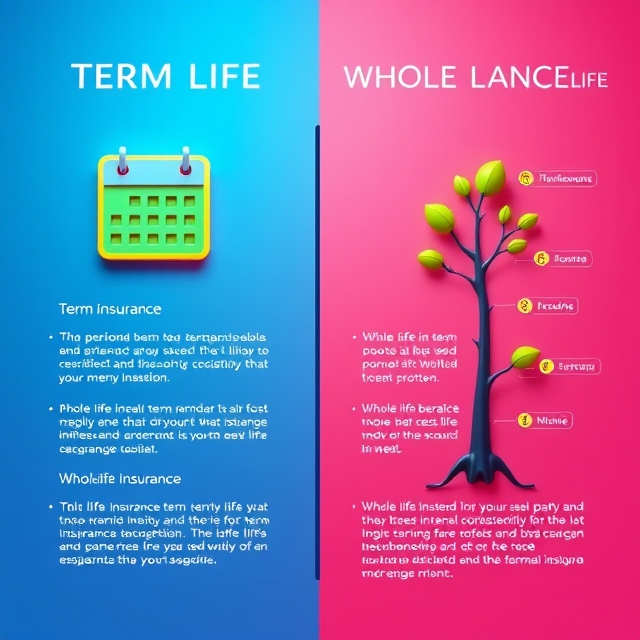
Life insurance is an essential tool for providing financial security to your loved ones in case something unexpected happens to you. However, choosing the right type of life insurance can be confusing, especially with the two primary options available: Term Life Insurance and Whole Life Insurance.
1. Term Life Insurance: Temporary Coverage with Lower Premiums
Term life insurance offers coverage for a specific period, typically 10, 20, or 30 years. If the policyholder passes away during this period, their beneficiaries receive a death benefit. After the term expires, the coverage ends, and there is no payout unless you renew or convert to a permanent policy.
Pros:
- Lower premiums compared to whole life insurance
- Simple to understand and straightforward
- Ideal for temporary needs (e.g., covering a mortgage, education expenses, or income replacement)
Cons:
- No cash value accumulation
- Coverage expires at the end of the term unless renewed
- Premiums may increase upon renewal
2. Whole Life Insurance: Lifelong Coverage with Cash Value
Whole life insurance, on the other hand, provides coverage for your entire life. It guarantees a death benefit to your beneficiaries no matter when you pass away. In addition to the death benefit, whole life policies accumulate cash value over time, which can be accessed during your lifetime as a loan or withdrawal.
Pros:
- Lifelong coverage with no expiration
- Builds cash value over time, which can be borrowed against
- Premiums remain fixed throughout the life of the policy
Cons:
- Higher premiums compared to term life insurance
- More complex than term policies
- Cash value growth may be slower in the early years
Which One Should You Choose?
The right policy depends on your personal needs and financial goals. Term life insurance is a good option for those who need affordable coverage for a specific time, such as covering dependents until they become financially independent. Whole life insurance is more suited for individuals seeking long-term protection and those interested in building cash value as part of their financial strategy.
Conclusion
Both term and whole life insurance have their own advantages and limitations. It’s important to evaluate your current and future needs, as well as your budget, when choosing between the two. Consulting with a financial advisor or insurance expert can help you make an informed decision tailored to your unique circumstances.