

The Risks of Cryptocurrency Investing: What You Need to Know
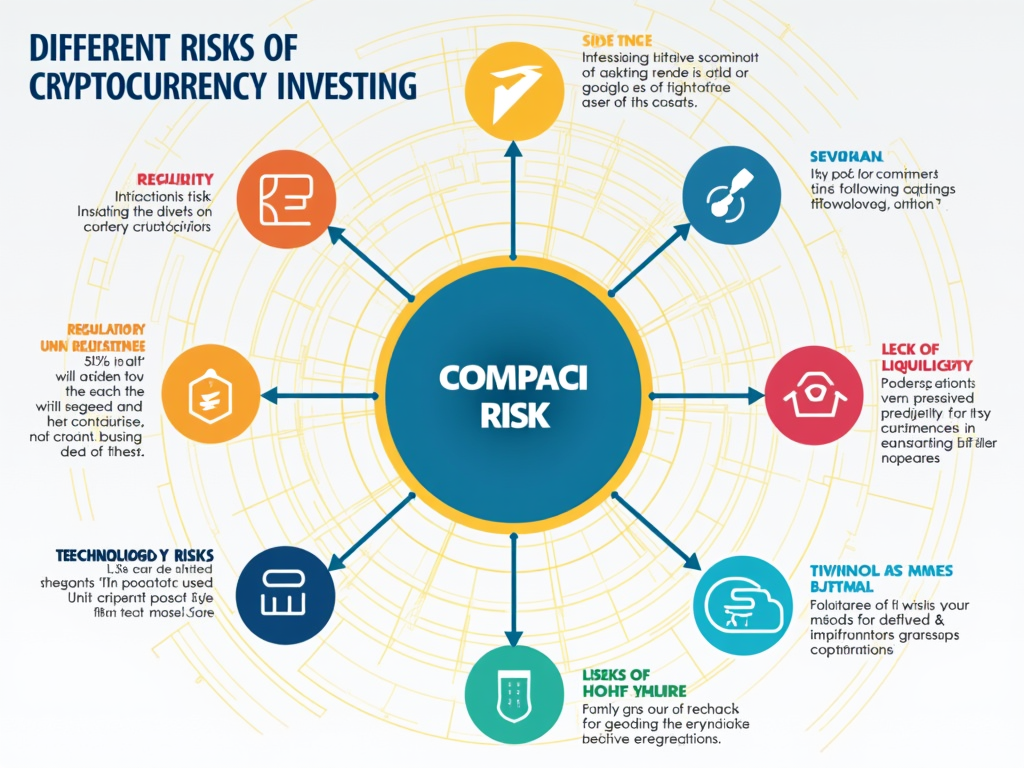
Cryptocurrency investing can be an exciting way to diversify your portfolio and potentially earn significant returns, but it’s important to understand the risks involved. Unlike traditional investments, cryptocurrencies are volatile, speculative, and can be impacted by external factors that are hard to predict. Here’s a breakdown of the key risks you should consider before investing in cryptocurrencies:
1. Market Volatility
Cryptocurrencies are known for their extreme price swings. The value of digital currencies like Bitcoin and Ethereum can rise rapidly, but they can also experience steep declines, sometimes within a matter of hours. This high volatility makes cryptocurrency investments risky, especially for those looking for stability.
2. Regulatory Uncertainty
The regulatory environment surrounding cryptocurrencies is still developing, and different countries have different rules. Governments may impose restrictions or regulations that could affect the price and legality of certain cryptocurrencies. This regulatory uncertainty can create additional risk for investors.
3. Security Risks
Cryptocurrency transactions are irreversible, meaning if you make an error or fall victim to a scam, there is often no way to recover your funds. Additionally, cryptocurrency exchanges and wallets can be hacked, putting your investments at risk. Ensuring the security of your investments through reliable platforms and wallets is critical.
4. Lack of Consumer Protection
Unlike traditional financial assets, cryptocurrencies don’t have the same protections in place. There are no safety nets if you lose your assets, and there is no recourse through banks or governments. This makes it essential for investors to do their own research and understand the platforms they’re using.
5. Lack of Liquidity
While cryptocurrencies like Bitcoin are highly liquid, other lesser-known altcoins may have limited liquidity. This can make it difficult to buy or sell certain cryptocurrencies at your desired price or within a certain time frame, especially during market downturns.
6. Technological Risks
Cryptocurrencies rely on blockchain technology, which is still relatively new and evolving. There may be unforeseen technical issues or vulnerabilities that could affect the integrity of the network or your investments.
7. Speculative Nature
Cryptocurrency markets are still relatively young and speculative. Many investors are driven by hype and market sentiment rather than fundamental value. This speculative nature can lead to bubbles or crashes, making long-term investments uncertain.
How to Manage the Risks:
- Diversify: Don’t put all your eggs in one basket. Diversify your portfolio with different types of assets to minimize risk.
- Educate Yourself: Stay informed about the market trends, technological developments, and regulatory changes.
- Use Secure Platforms: Always use reputable exchanges and wallets to store your digital assets.
- Invest Only What You Can Afford to Lose: Given the volatility, only invest money that you’re prepared to lose.
Conclusion:
While cryptocurrencies offer an innovative investment opportunity, they come with significant risks. Understanding these risks and taking appropriate measures to protect your investments is crucial for any investor. Make sure to do your due diligence and invest wisely.