

The Role of Financial Planning in Retirement Readiness
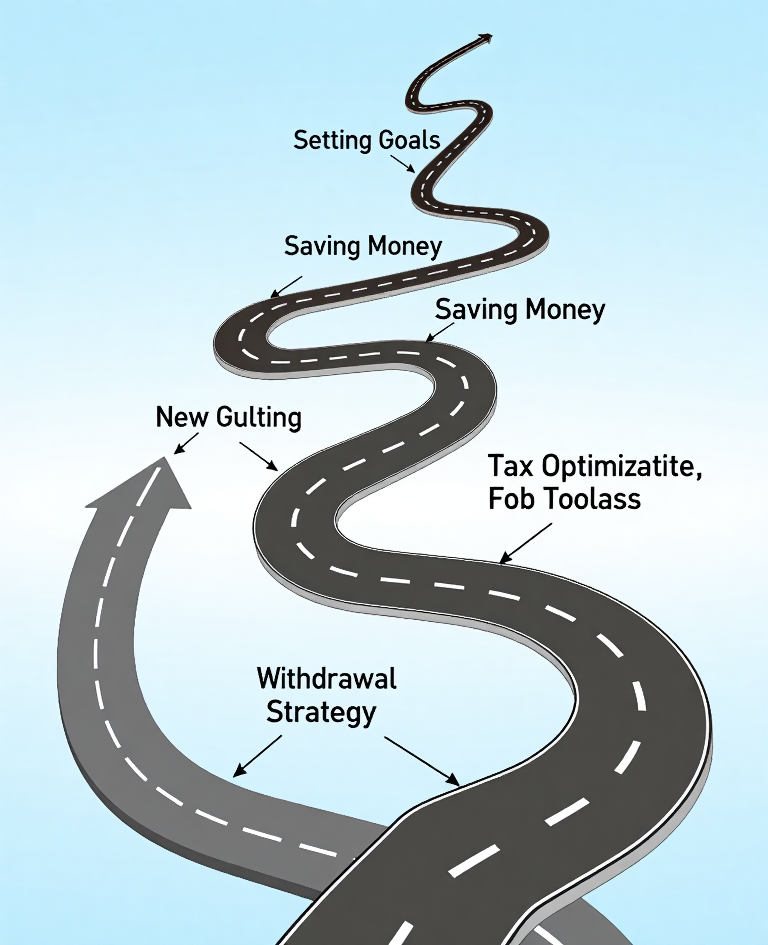
Retirement is a phase of life that many look forward to, but without proper planning, it can become a time of financial uncertainty. Financial planning plays a crucial role in ensuring that you are ready for retirement, not just financially, but also emotionally and practically. Whether you are starting your career or are already nearing retirement age, having a solid financial plan in place is essential for a secure and stress-free retirement. In this post, we’ll discuss the importance of financial planning and how it helps you achieve retirement readiness.
Why Financial Planning is Crucial for Retirement
Financial planning is a process that involves setting long-term financial goals and creating a roadmap to achieve them. When it comes to retirement, effective financial planning is not just about saving money; it’s about understanding how to grow, protect, and manage those savings to ensure they will last throughout your retirement years.
Key Elements of a Solid Retirement Plan
- Setting Retirement Goals:
The first step in financial planning is to define what you want your retirement to look like. How much money do you need to retire comfortably? What lifestyle do you want to maintain in retirement? Financial advisors can help you determine these goals and align them with a realistic strategy. - Creating a Savings Strategy:
Saving for retirement involves setting aside a portion of your income regularly. Financial planning helps you determine how much to save based on your target retirement age and desired income. By using strategies such as employer-sponsored 401(k)s, IRAs, or personal savings accounts, financial advisors help you create a savings strategy that is tailored to your goals. - Investment Strategy for Growth:
Saving alone may not be enough to ensure a comfortable retirement. To maximize your savings, you need an investment strategy that allows your money to grow over time. Financial planners help you choose investment options that align with your risk tolerance, retirement goals, and time horizon. They also provide advice on asset allocation and diversification to reduce risks and enhance returns. - Tax Planning for Retirement:
Taxes can have a significant impact on your retirement savings. Financial planners assist in developing tax-efficient strategies that minimize the amount of tax you pay on your retirement income. This could include choosing the right types of retirement accounts (such as Roth IRAs) or utilizing tax-deferred accounts to grow your savings. - Planning for Healthcare Costs:
Healthcare expenses are one of the most significant costs in retirement. As you age, medical bills can add up quickly, so it’s important to plan for them. Financial planners can help you anticipate healthcare costs in retirement and suggest ways to mitigate these expenses, such as through health savings accounts (HSAs) or long-term care insurance. - Creating a Withdrawal Strategy:
Once you reach retirement age, you’ll need to start withdrawing money from your retirement accounts. Financial planning helps you determine how and when to withdraw funds in a way that minimizes taxes and ensures your savings last. A well-structured withdrawal strategy is key to maintaining financial security throughout retirement. - Legacy and Estate Planning:
For many, part of retirement planning involves leaving a legacy for family members or charitable causes. Financial planners help you develop an estate plan that ensures your wealth is transferred according to your wishes, minimizing estate taxes and other costs. This might involve setting up trusts, naming beneficiaries, and preparing wills.
The Role of a Financial Advisor in Retirement Readiness
While you can certainly engage in financial planning on your own, working with a financial advisor can make the process much smoother and more effective. Advisors bring expertise to the table, helping you navigate complex financial decisions and ensuring that your plan is comprehensive and well-executed. A financial advisor’s role is to offer personalized advice, provide investment guidance, manage risks, and help you stay on track to meet your retirement goals.
Starting Your Retirement Plan Today
The earlier you start planning for retirement, the better. Even if retirement feels like a long way off, the choices you make today will have a significant impact on your future financial security. With the right financial plan in place, you can ensure that you are prepared for whatever retirement may bring. Working with a financial planner can provide peace of mind and make sure you are on the right path to a comfortable, financially secure retirement.
Conclusion
Financial planning is the foundation of retirement readiness. From setting clear goals to creating a comprehensive strategy, every step plays an important role in securing your financial future. By partnering with a financial advisor, you can make sure your retirement plan is tailored to your unique needs, helping you enjoy a fulfilling and stress-free retirement.