

Collectibles and Art: How Investing in Rare Items Can Be Profitable
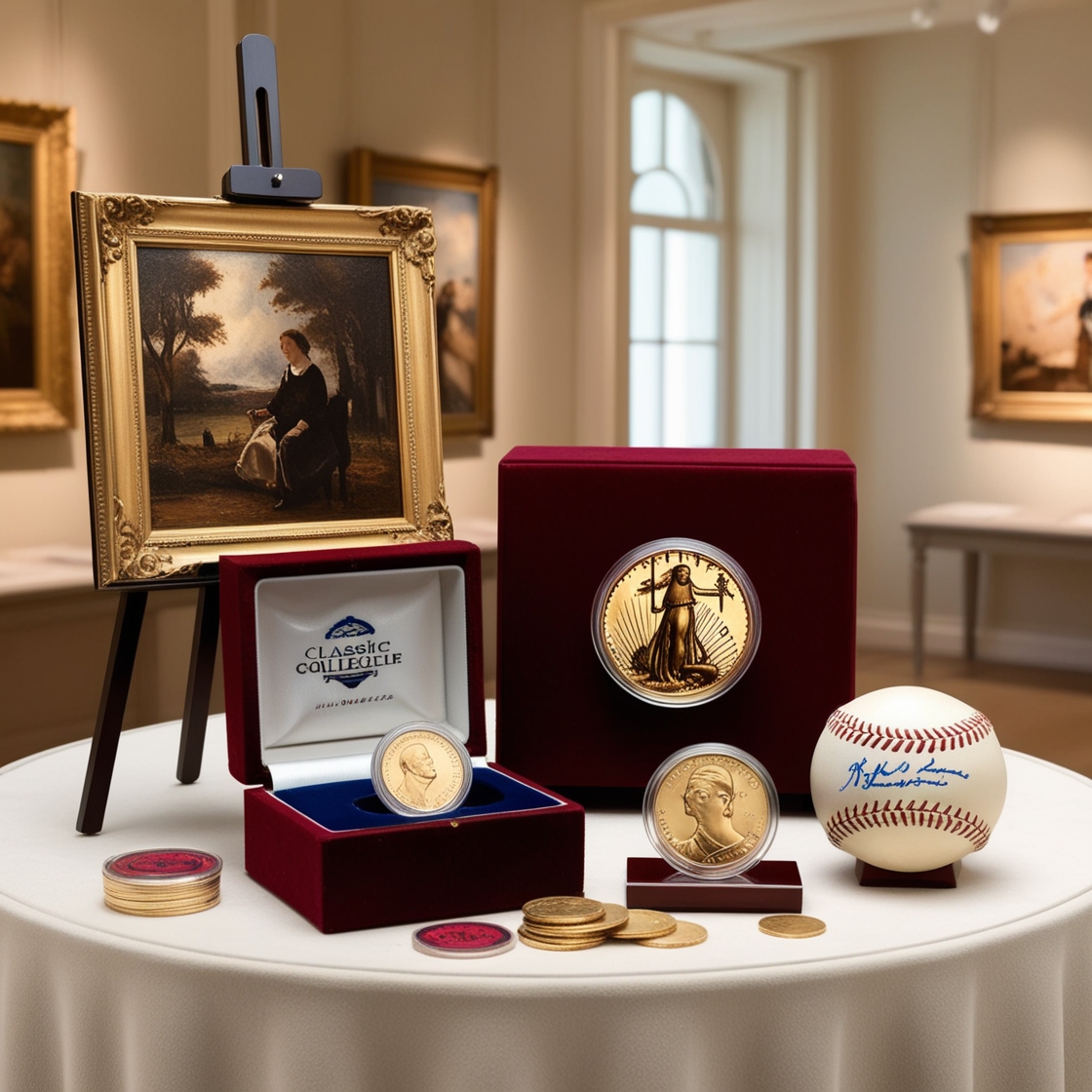
Investing in collectibles and art has gained popularity as an alternative to traditional investments like stocks and bonds. Rare items such as fine art, vintage cars, coins, stamps, and even luxury handbags can serve as tangible assets that appreciate over time. However, this type of investment requires specialized knowledge and careful consideration. This post explores how investing in collectibles and art works, the potential for profit, and the risks involved.
Why Invest in Collectibles and Art?
- Tangible Assets:
Unlike stocks or mutual funds, collectibles and art are physical objects. Many investors appreciate owning something they can see, touch, and display. - Diversification:
Adding collectibles and art to your portfolio can reduce overall investment risk, as their value often doesn’t correlate with traditional markets. - High Returns on Unique Items:
Rare and highly sought-after items, such as limited-edition works by famous artists or historically significant collectibles, can significantly appreciate over time. - Passion Investments:
Many investors find joy in owning items that align with their personal interests, such as art, vintage cars, or memorabilia.
Popular Types of Collectible Investments
- Fine Art:
- Examples: Paintings, sculptures, and photography by renowned artists.
- Profitability: Art can gain value through market demand, artist reputation, and historical significance.
- Antiques and Furniture:
- Examples: Vintage furniture, porcelain, or artifacts from historical periods.
- Profitability: Well-preserved items from iconic eras often command premium prices.
- Coins and Stamps:
- Examples: Rare coins or stamps with limited circulation or historical significance.
- Profitability: These items are highly liquid within niche markets and auction houses.
- Memorabilia:
- Examples: Sports memorabilia, movie props, or music-related items.
- Profitability: Items associated with legendary figures or events can fetch significant sums.
- Luxury Goods:
- Examples: Limited-edition handbags, watches, or jewelry.
- Profitability: High-end brands often retain or increase value due to exclusivity.
Factors That Determine Value
- Rarity:
Scarcity drives demand. Limited-edition or one-of-a-kind items typically command higher prices. - Condition:
The better preserved an item is, the more valuable it becomes. Items with original packaging or certifications fetch premium prices. - Provenance:
Documentation proving authenticity and ownership history enhances value, especially for art and antiques. - Market Trends:
Popular culture, economic conditions, and changing tastes influence demand and prices.
How to Start Investing in Collectibles and Art
- Research Thoroughly:
Learn about your area of interest, including market trends, key players, and valuation methods. - Start Small:
Begin with lower-value items to gain experience before committing significant funds. - Verify Authenticity:
Purchase from reputable dealers, galleries, or auction houses that provide certificates of authenticity. - Consider Storage and Maintenance:
Proper care is essential to preserve value. For example, art requires climate-controlled environments, while coins should be stored in protective cases. - Use Professional Appraisals:
Expert appraisals help determine the current market value of your items and identify potential growth. - Network in the Industry:
Join collectors’ groups, attend auctions, and build relationships with experts in the field.
Risks of Investing in Collectibles and Art
- Illiquidity:
Selling collectibles can take time, as buyers are limited compared to public stock markets. - Market Volatility:
Trends in collectibles and art can fluctuate dramatically based on economic conditions and cultural shifts. - High Transaction Costs:
Auction fees, insurance, and storage expenses can eat into profits. - Counterfeiting and Fraud:
The market is rife with fakes. Without due diligence, investors risk losing money on fraudulent items.
Tips for Success
- Focus on Quality Over Quantity: A few valuable items often outperform a collection of lesser significance.
- Stay Informed: Monitor auctions, market reports, and news related to your chosen collectibles.
- Invest for the Long Term: Most collectibles appreciate slowly; patience is crucial.
- Diversify Your Portfolio: Don’t rely solely on collectibles—use them to complement traditional investments.
Conclusion
Investing in collectibles and art is both a financial opportunity and a chance to engage with your passions. While the market offers potential for high returns, success requires careful research, an eye for quality, and an understanding of market dynamics. Whether you’re drawn to fine art, rare coins, or vintage cars, entering the world of collectibles can be a rewarding adventure—both financially and personally.