

Commodities Investing: A Guide to Trading Gold, Oil, and Other Resources
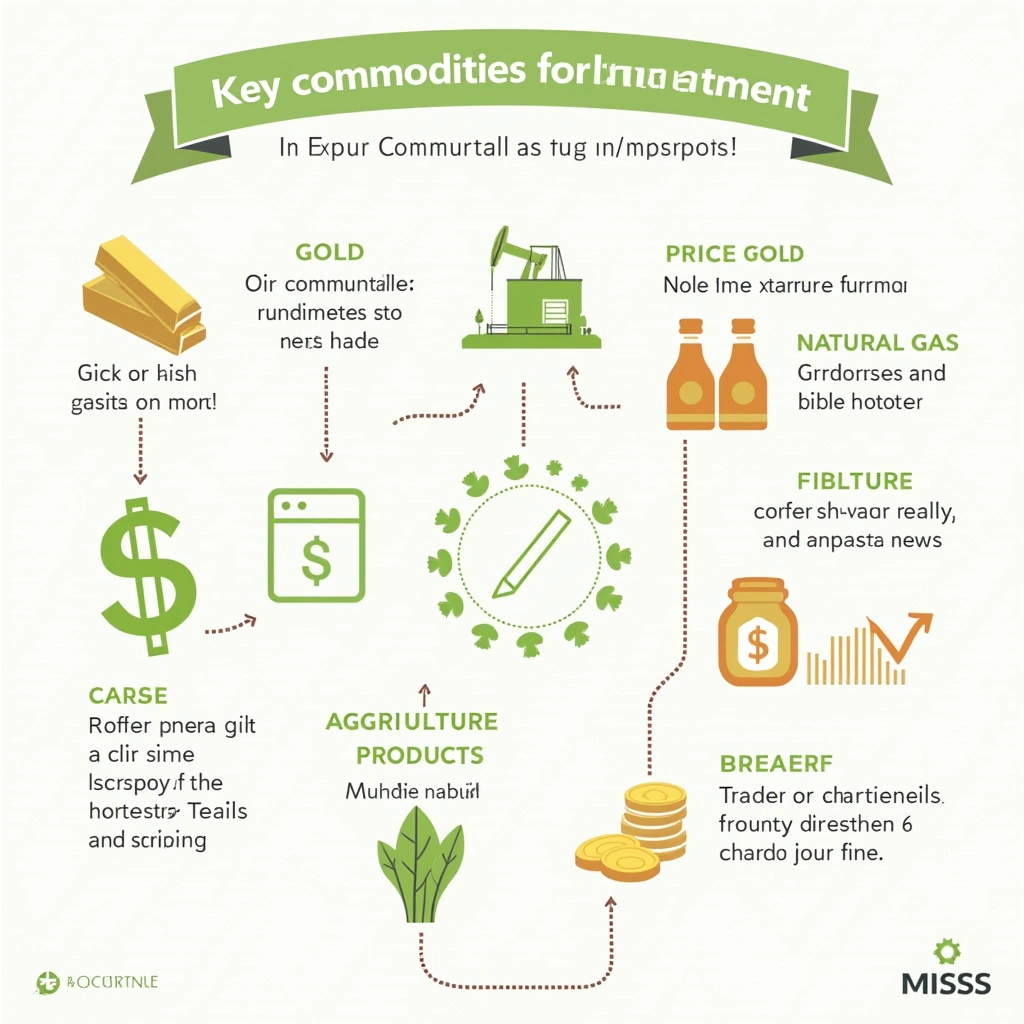
Commodities investing refers to the practice of trading raw materials or primary agricultural products. This type of investment offers an opportunity to diversify portfolios beyond traditional stocks and bonds. Commodities such as gold, oil, natural gas, and agricultural products can be valuable additions to an investment strategy, especially for investors looking to hedge against inflation or market volatility.
In this post, we’ll explore the different types of commodities, the benefits of commodities investing, and how you can start trading them.
What Are Commodities?
Commodities are raw materials or primary products that can be bought and sold, typically in bulk, and are traded on specialized markets known as commodity exchanges. These goods are uniform in quality and can be exchanged for cash or used in production processes. Commodities fall into two broad categories:
- Hard Commodities: These are natural resources that must be extracted or mined. Examples include:
- Gold, silver, and precious metals: Often used as a store of value and hedge against inflation.
- Energy resources: Such as oil, natural gas, and coal, which are essential for energy production.
- Soft Commodities: These are agricultural products or livestock. Examples include:
- Grains: Like corn, wheat, and rice.
- Livestock: Cattle, pigs, and poultry.
- Other agricultural products: Such as coffee, sugar, and cotton.
Commodities can be traded directly in physical markets or through financial instruments like futures contracts, ETFs, and commodity-focused mutual funds.
Why Invest in Commodities?
- Hedge Against Inflation:
- Commodities, particularly precious metals like gold, have long been considered a reliable hedge against inflation. When inflation rises, the purchasing power of money decreases, but the price of commodities often increases, helping protect your portfolio.
- Diversification:
- Commodities typically do not correlate directly with the performance of stocks and bonds. As a result, adding commodities to your portfolio can reduce overall risk and increase diversification, particularly during times of market volatility.
- Global Economic Growth:
- As emerging markets continue to grow, the demand for commodities—especially energy, metals, and food—tends to increase. This creates opportunities for investors to profit from the rising global demand for raw materials.
- Profit from Supply and Demand Imbalances:
- Commodities markets are highly sensitive to changes in supply and demand. For instance, a disruption in oil production or a drought affecting grain harvests can drive prices up, creating profit opportunities for investors who correctly anticipate these shifts.
- Investment in Tangible Assets:
- Commodities represent physical, tangible assets. Unlike stocks or bonds, they are not subject to the same level of market manipulation or volatility. Investors can also trade physical commodities, such as buying and storing gold or silver, for long-term asset preservation.
How to Invest in Commodities
- Futures Contracts:
- Futures contracts are agreements to buy or sell a commodity at a predetermined price at a specific time in the future. These contracts allow investors to speculate on price movements without owning the physical commodity. Futures trading is popular among experienced traders due to its high leverage and potential for profit or loss.
- Exchange-Traded Funds (ETFs) and Exchange-Traded Notes (ETNs):
- ETFs and ETNs offer an easier and more accessible way to invest in commodities. They provide exposure to the price movements of specific commodities, baskets of commodities, or commodity indices. Investors can buy shares in an ETF or ETN through brokerage accounts, making it a simple and liquid way to participate in commodities markets.
- Commodity Stocks:
- Investors can also gain exposure to commodities by investing in companies that produce or extract them. For example, oil companies like ExxonMobil or mining companies like Barrick Gold offer indirect exposure to the prices of oil or gold. Commodity stocks provide the benefits of price appreciation without the need to directly trade physical commodities.
- Commodity Mutual Funds:
- These funds pool investors’ money to invest in commodities or commodity-related stocks. Mutual funds may invest in both physical commodities and commodity-related businesses, providing diversification within the sector.
- Physical Commodities:
- For investors looking for a tangible investment, buying physical commodities like gold, silver, or agricultural products is an option. This method involves storage costs and logistical challenges, but it provides direct ownership of the asset.
Risks of Commodities Investing
- Price Volatility:
- Commodities are highly volatile and can experience sudden price swings. Political events, weather conditions, and changes in global demand can lead to unpredictable price movements. For example, geopolitical tensions in oil-producing regions can significantly impact oil prices.
- Market Speculation:
- Commodities markets can be speculative, with prices influenced by investor sentiment as much as by actual supply and demand factors. Traders might drive prices up or down based on speculation, leading to sudden and large price changes.
- Storage and Insurance Costs:
- For investors who choose to buy and store physical commodities, such as gold or agricultural products, there are costs associated with storage and insurance. These costs can eat into the potential profits from the investment.
- Currency Fluctuations:
- Commodities are priced in U.S. dollars, so fluctuations in the value of the dollar can affect commodity prices. When the dollar strengthens, commodity prices often fall, and when the dollar weakens, commodity prices tend to rise.
- Interest Rates:
- Rising interest rates can have a negative impact on commodities. Higher rates increase the cost of borrowing and can reduce demand for commodities, especially energy resources like oil and natural gas.
Conclusion
Commodities investing offers significant potential for profit, particularly in times of economic uncertainty or inflation. However, it comes with inherent risks, including price volatility, market speculation, and potential storage costs for physical commodities. As with any investment, it’s essential to carefully assess your risk tolerance and investment strategy before diving into the commodities markets.
If you’re interested in adding commodities to your portfolio, start by researching different commodities and investment options. Diversifying your investments across various commodities can help reduce risk and provide a balanced approach to your financial goals.