

Hedge Funds: The Pros and Cons of Investing in Them
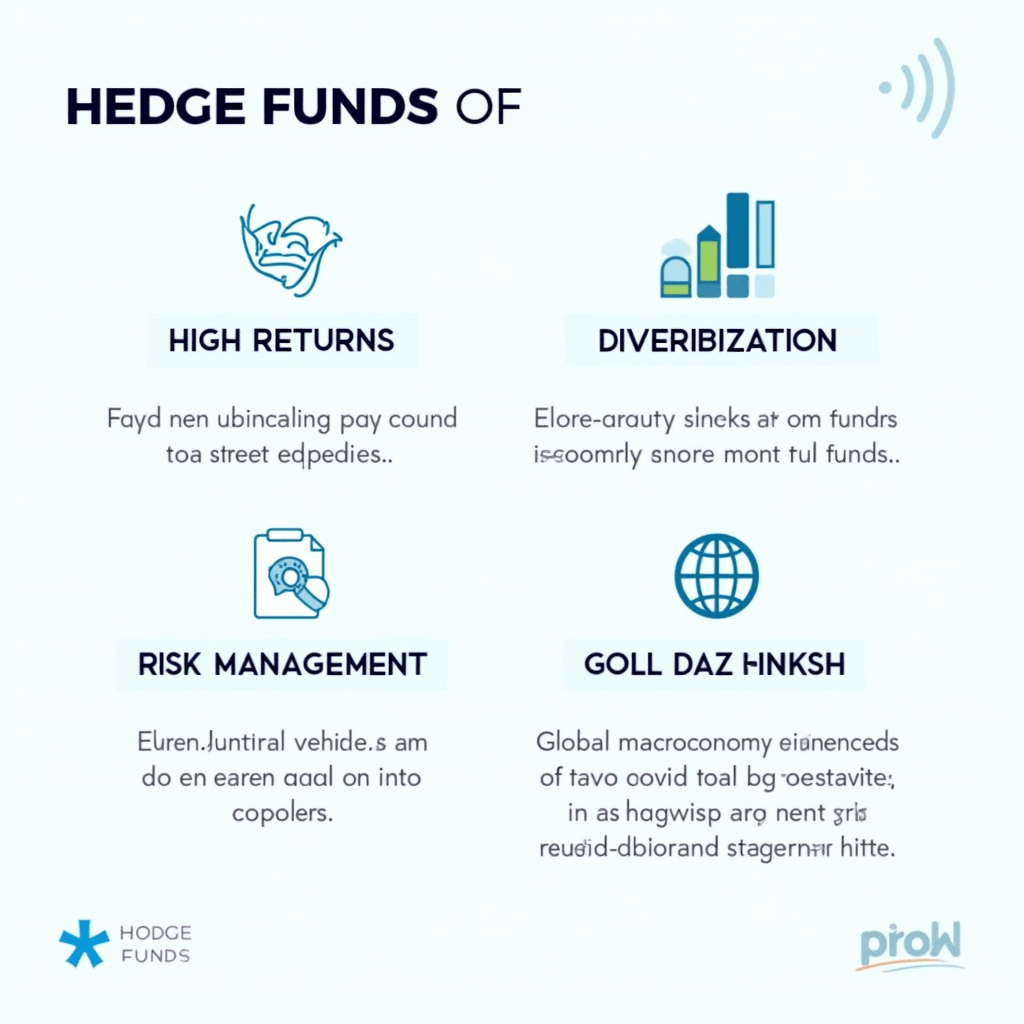
Hedge funds are alternative investment vehicles that use a wide range of strategies to generate high returns for their investors. They typically invest in a variety of assets, including stocks, bonds, commodities, and derivatives, with the goal of achieving absolute returns regardless of market conditions. Hedge funds have earned a reputation for being complex and exclusive, often requiring large minimum investments and catering to high-net-worth individuals or institutional investors.
In this post, we’ll explore what hedge funds are, how they work, and the pros and cons of investing in them.
What Are Hedge Funds?
A hedge fund is a pooled investment fund that employs a variety of strategies to generate returns for its investors. These strategies may include long and short positions in stocks, derivatives trading, leveraging, arbitrage, and other alternative investments. The goal of a hedge fund is to provide higher returns than the market average, often by taking on more risk.
Hedge funds are typically structured as private investment partnerships, and they operate with a high degree of flexibility, allowing fund managers to use a variety of approaches to meet their investment objectives.
How Do Hedge Funds Work?
Hedge fund managers have significant discretion over the investments made within the fund. Unlike mutual funds, which are generally restricted in the types of assets they can invest in, hedge funds can invest in virtually any asset class. Hedge fund managers typically use the following strategies to generate returns:
- Long/Short Equity: Taking both long and short positions in stocks to capitalize on market movements.
- Event-Driven: Investing in companies undergoing mergers, acquisitions, or restructurings.
- Global Macro: Making large-scale bets on macroeconomic trends, such as currency movements or interest rate changes.
- Relative Value: Exploiting price discrepancies between related securities.
Investors in hedge funds are typically required to commit their capital for a number of years, and they may face high fees, including a performance fee, which is a percentage of the profits generated by the fund.
The Pros of Hedge Fund Investing
- Potential for High Returns:
- Hedge funds aim to generate absolute returns, meaning they strive to make a profit regardless of market conditions. By using a variety of investment strategies and leveraging opportunities, hedge funds can potentially generate higher returns than traditional investment vehicles like mutual funds or index funds.
- Diversification:
- Hedge funds often invest in a broad range of assets, including stocks, bonds, commodities, and real estate. This diversification can help reduce the risk of the portfolio and provide protection against market volatility.
- Access to Alternative Strategies:
- Hedge funds offer access to investment strategies that are not typically available to individual investors, such as short selling, derivatives trading, and global macroeconomic strategies. These strategies can help hedge against market downturns and add value to a diversified portfolio.
- Risk Management:
- Many hedge funds employ sophisticated risk management techniques, such as hedging and using leverage, to protect against market downturns. This can potentially reduce the volatility of a portfolio compared to traditional investments.
- Non-Correlation with Traditional Markets:
- Hedge funds are often less correlated with the stock market, which can make them attractive during periods of stock market volatility. Since hedge fund strategies are designed to perform well in both bullish and bearish markets, they can provide more stable returns during market downturns.
The Cons of Hedge Fund Investing
- High Fees:
- Hedge funds typically charge high fees, which can significantly reduce returns. The typical fee structure includes a management fee (usually around 2%) and a performance fee (often around 20% of profits). These fees can eat into the profits generated by the fund, especially if returns are modest.
- Limited Liquidity:
- Hedge fund investments are typically illiquid, meaning that investors may not be able to easily access their money. Investors are often required to lock their capital in the fund for several years, which could be a disadvantage if you need liquidity or access to your funds in the short term.
- High Minimum Investment:
- Hedge funds usually have high minimum investment requirements, often ranging from $100,000 to several million dollars. This makes hedge fund investing accessible only to high-net-worth individuals and institutional investors, excluding most individual investors.
- Risk of Loss:
- While hedge funds have the potential for high returns, they also carry a high level of risk. The strategies employed by hedge fund managers can lead to significant losses if market conditions change unexpectedly or if the managers fail to successfully execute their strategies.
- Lack of Regulation:
- Hedge funds are subject to less regulation than mutual funds or other investment vehicles. This lack of oversight can increase the risk of fraud or mismanagement, especially in poorly managed or poorly regulated funds.
Should You Invest in Hedge Funds?
Hedge funds can be a valuable tool for sophisticated investors looking for high returns and portfolio diversification. However, due to the high fees, limited liquidity, and potential for significant risk, they may not be suitable for everyone. If you are considering investing in a hedge fund, it’s important to do your due diligence, understand the fund’s strategies, and assess your own risk tolerance and financial goals.
In conclusion, hedge funds offer significant potential for high returns and diversification, but they come with a variety of risks that should not be overlooked. As with any investment, it’s important to fully understand the fund’s structure and risk profile before deciding to invest.