

Refinancing Your Loan: When and Why You Should Consider It
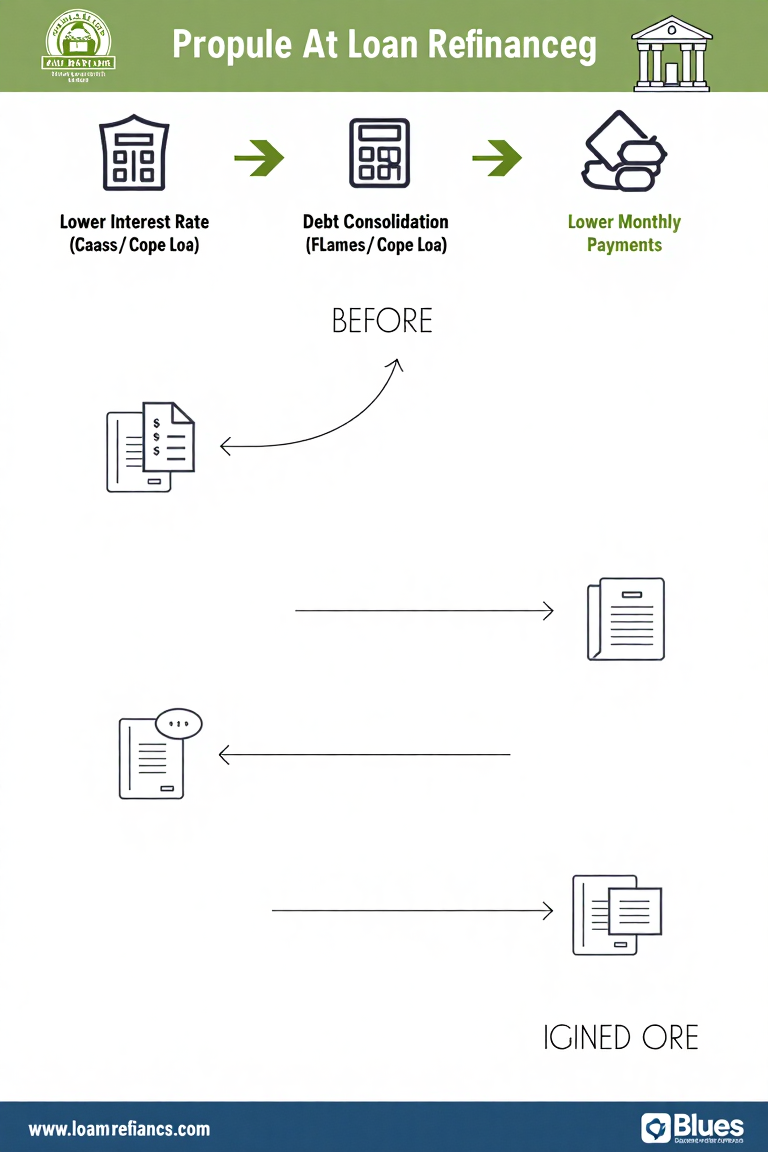
Refinancing is a financial strategy that involves replacing an existing loan with a new one, typically with different terms. The goal is often to secure a lower interest rate, reduce monthly payments, or adjust the loan’s term length. While refinancing can be an effective tool for many borrowers, it’s important to understand when and why you should consider it.
What is Loan Refinancing?
Loan refinancing involves paying off your current loan with a new loan, which may come with different conditions, including a new interest rate, repayment term, or both. By refinancing, you can lower your monthly payments, reduce the overall cost of the loan, or change the type of loan to better suit your financial situation.
There are two main reasons for refinancing:
- Lowering Your Interest Rate: If you qualify for a lower interest rate due to improved credit, market conditions, or a change in your loan type, refinancing can help you save money over the life of the loan.
- Changing Your Loan Term: Refinancing allows you to adjust the length of your loan term. You may choose to extend your term to lower monthly payments or shorten it to pay off the loan faster.
When Should You Consider Refinancing?
- When Interest Rates Have Dropped: If market interest rates have fallen since you took out your original loan, refinancing can help you take advantage of those lower rates. For instance, refinancing student loans, mortgages, or personal loans to secure a better rate can lead to significant savings over time.
- When Your Credit Score Has Improved: If your credit score has improved since you first took out the loan, you may qualify for better loan terms. Lenders typically offer lower interest rates to borrowers with higher credit scores. Refinancing can be a good way to lower your rate and reduce the total interest paid over the life of the loan.
- When You Want to Change Your Loan Term: Refinancing can help you adjust your repayment term. If you can afford higher monthly payments, you might choose to refinance into a shorter-term loan to pay off the debt faster and save on interest. Alternatively, if you’re struggling with your monthly payments, extending the loan term through refinancing can lower your payments but may increase the total interest paid in the long run.
- When You Want to Consolidate Debt: If you have multiple loans with varying interest rates, refinancing offers the opportunity to consolidate them into one loan with a single monthly payment. This can make managing debt easier and may result in a lower overall interest rate.
The Pros and Cons of Refinancing
Pros:
- Lower Interest Rates: Refinancing to a lower interest rate can help you save money in the long run.
- Lower Monthly Payments: Refinancing into a longer loan term can reduce your monthly payments, providing short-term financial relief.
- Debt Consolidation: If you have multiple loans, refinancing allows you to consolidate them into one loan, streamlining your debt management.
Cons:
- Extended Loan Term: Refinancing to a longer term can reduce your monthly payments but might increase the total interest you pay over time.
- Closing Costs and Fees: Some loans come with fees, including application fees or early repayment penalties, which may negate some of the savings from refinancing.
- Qualification Requirements: Not everyone will qualify for a lower interest rate. Lenders consider factors like credit score, income, and debt-to-income ratio, so if your financial situation has changed, you may not qualify for refinancing on better terms.
How to Know If Refinancing Is Right for You
Before refinancing, it’s important to evaluate your financial goals. Ask yourself:
- Do you want to save money in the long term or reduce your monthly payments?
- Have interest rates dropped enough to make refinancing worthwhile?
- Are you comfortable with extending your loan term, or do you prefer to pay it off faster?
- Will refinancing fees outweigh the benefits of securing a lower rate?
It’s always a good idea to compare offers from different lenders to ensure you get the best refinancing terms.
The Bottom Line
Refinancing your loan can offer substantial benefits, including lower monthly payments, a better interest rate, and the opportunity to pay off your loan more quickly. However, it’s important to carefully evaluate your financial goals and compare options before deciding to refinance. By doing so, you can ensure that refinancing helps you achieve the financial stability and savings you’re seeking.