
The Future of Managed Investments: Trends in AI and Algorithmic Trading
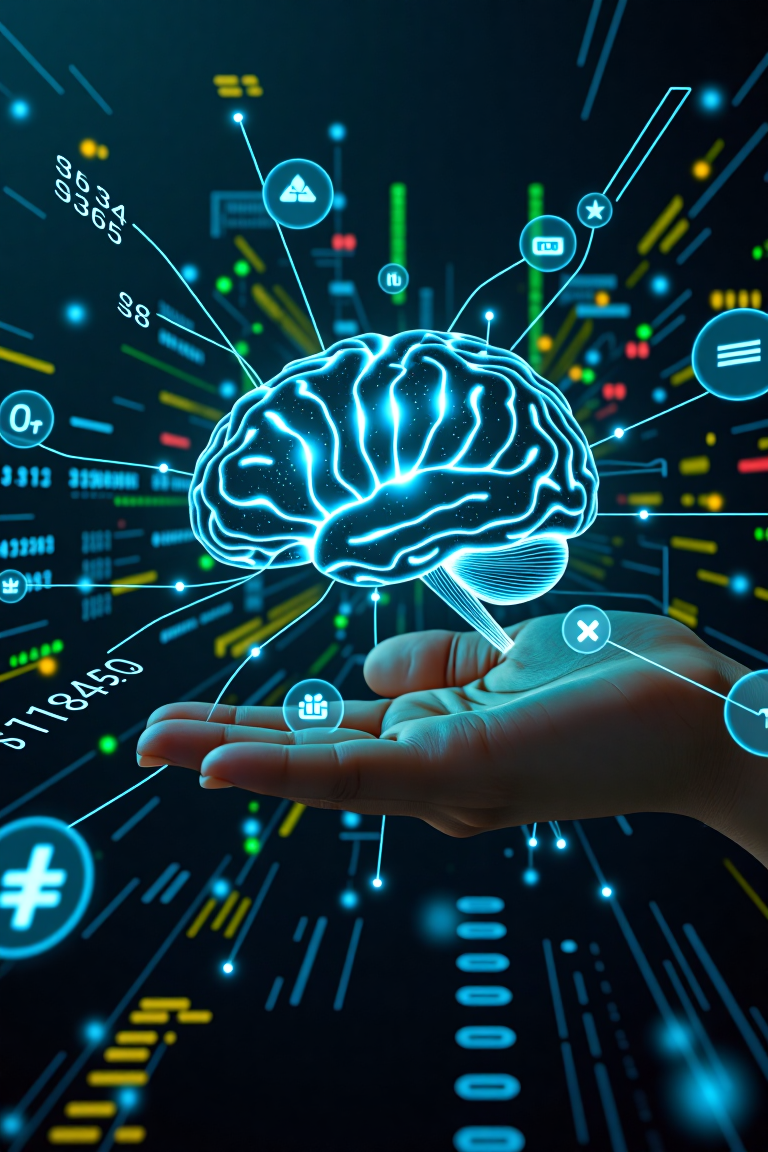
The investment landscape is undergoing a seismic shift, driven by advancements in artificial intelligence (AI) and algorithmic trading. These technologies are reshaping how managed investments operate, offering greater efficiency, enhanced decision-making, and more personalized investment strategies. As they continue to evolve, understanding their impact on managed investments is crucial for investors and fund managers alike.
What Are AI and Algorithmic Trading?
- AI in Investments:
AI refers to computer systems capable of learning and decision-making, simulating human intelligence. In investments, AI can analyze vast datasets, identify patterns, and optimize portfolio decisions with remarkable speed and accuracy. - Algorithmic Trading:
Algorithmic trading involves using pre-programmed algorithms to execute trades based on predefined criteria such as price, volume, and timing. It eliminates human emotion, enabling faster and often more accurate trading decisions.
How AI and Algorithms Are Changing Managed Investments
- Enhanced Data Analysis:
AI-powered systems can process and analyze enormous amounts of data in real time, including financial reports, news articles, and market trends. This capability allows fund managers to make informed decisions faster than ever. - Improved Risk Management:
Algorithms can monitor market conditions 24/7, identifying potential risks and suggesting portfolio adjustments. AI models also simulate different scenarios to prepare for unexpected market events. - Cost Efficiency:
Automating investment decisions reduces the need for large teams of analysts, leading to lower operational costs for managed funds. - Personalized Investment Strategies:
AI enables tailored investment plans based on individual risk tolerance, financial goals, and market preferences, enhancing the client experience.
Trends Shaping the Future
- Machine Learning Models:
Machine learning allows systems to improve over time by learning from historical data. As these models become more sophisticated, their predictive power will increase. - Natural Language Processing (NLP):
NLP helps AI systems interpret unstructured data like news or social media sentiment, providing insights that can influence trading strategies. - Ethical AI Investing:
The integration of AI in ESG (Environmental, Social, and Governance) investment analysis is helping investors align portfolios with ethical considerations. - High-Frequency Trading (HFT):
Advanced algorithms execute thousands of trades per second, capitalizing on tiny price differences for significant aggregate gains. - RegTech Innovations:
Regulatory technology powered by AI ensures compliance with complex financial regulations, reducing risk for managed funds.
Challenges and Concerns
Despite the benefits, adopting AI and algorithms in managed investments is not without challenges:
- Transparency Issues:
AI systems operate as “black boxes,” meaning their decision-making processes are often opaque. - Overreliance on Technology:
A heavy dependence on AI might lead to vulnerabilities during unforeseen market events or technical failures. - Cybersecurity Risks:
The increasing use of technology exposes funds to potential cyber threats, requiring robust security measures.
The Role of Humans in the Future of Managed Investments
While technology is taking center stage, human expertise remains indispensable. Fund managers provide:
- Strategic Oversight:
AI excels at executing tasks but lacks the nuanced understanding of human intuition. - Client Relationships:
Building trust and communicating strategies are areas where human managers excel. - Ethical Decision-Making:
Humans ensure that AI applications adhere to ethical and regulatory standards.
Conclusion
AI and algorithmic trading are revolutionizing managed investments, offering unprecedented opportunities for growth and efficiency. However, balancing technology with human insight will be essential to navigate the complexities of modern finance. Investors and managers who embrace this fusion of innovation and expertise are likely to lead the way in the future of managed investments.