

Treasury Bonds Explained: A Safe Haven for Investors
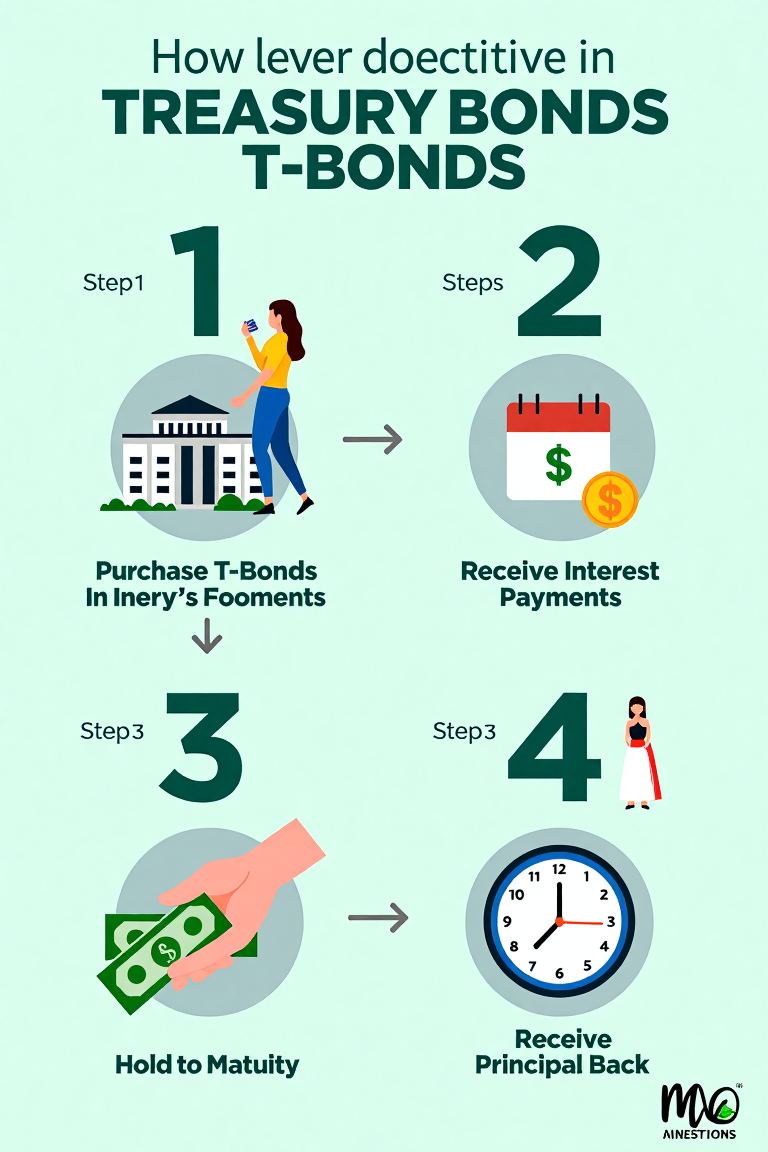
Treasury bonds, often referred to as T-bonds, are one of the safest investment options available. Issued by the government, these long-term debt securities offer a reliable source of income for investors seeking stability. Understanding treasury bonds, how they work, and why they are considered a safe haven can help you make more informed investment decisions.
What Are Treasury Bonds?
Treasury bonds are debt securities issued by the U.S. government to raise funds for various public expenditures. These bonds have a maturity of 10 years or more, making them a long-term investment option. In exchange for purchasing treasury bonds, investors receive regular interest payments, known as the coupon, until the bond matures. When the bond reaches maturity, the government repays the principal amount.
Why Are Treasury Bonds Considered Safe?
- Government Backing
Treasury bonds are backed by the full faith and credit of the U.S. government, making them virtually risk-free compared to other investments like corporate bonds or stocks. The U.S. government has never defaulted on its debt, which makes T-bonds an attractive option for risk-averse investors. - Stable Income
Treasury bonds offer predictable, steady interest payments, making them ideal for investors seeking income stability. The coupon payments are made every six months, providing regular cash flow. - Low Volatility
Compared to stocks or corporate bonds, treasury bonds experience much lower volatility. This makes them a safe haven during periods of market uncertainty or economic downturns, as they tend to hold their value even in challenging times.
How Treasury Bonds Work
- Interest Payments
Treasury bonds pay fixed interest (the coupon rate) every six months. For example, if you purchase a $1,000 treasury bond with a 3% coupon rate, you will receive $30 in interest payments each year, divided into two payments of $15 every six months. - Maturity Period
Treasury bonds are issued with maturities ranging from 10 years to 30 years. When the bond reaches its maturity date, the government repays the principal amount to the bondholder. - Buying and Selling T-Bonds
Treasury bonds are sold in auctions, where investors can purchase them directly from the government. After purchase, treasury bonds can be traded on the secondary market, although they typically offer lower returns compared to other securities, due to their safety.
Benefits of Investing in Treasury Bonds
- Capital Preservation
Because they are backed by the government, treasury bonds provide a high degree of safety. Investors can be confident that their principal investment will be returned at maturity, along with the interest payments. - Diversification
Treasury bonds can add a layer of diversification to your investment portfolio, reducing overall risk. They tend to perform well when the stock market or corporate bonds are underperforming, offering a hedge against volatility. - Tax Benefits
The interest income from treasury bonds is exempt from state and local taxes, making them a tax-efficient investment option for certain investors.
Risks of Treasury Bonds
While treasury bonds are considered one of the safest investments, they are not entirely without risk. These include:
- Interest Rate Risk
If interest rates rise, the value of existing treasury bonds tends to fall. This can impact the price at which they can be sold on the secondary market, although if held to maturity, this risk is minimized. - Inflation Risk
The fixed interest payments on treasury bonds may not keep pace with inflation, potentially eroding the purchasing power of the bond’s returns over time. This is a significant concern for long-term investors. - Opportunity Cost
Due to their low-risk nature, treasury bonds generally offer lower returns than other investments, such as stocks or corporate bonds. Investors may miss out on higher returns by choosing treasury bonds over other more aggressive investment options.
When to Invest in Treasury Bonds
- During Economic Uncertainty
Treasury bonds tend to perform well during times of economic turmoil or market instability. They are a safe haven for investors looking to preserve their capital in uncertain times. - As Part of a Balanced Portfolio
T-bonds can serve as a stabilizing element within a diversified portfolio. If you are looking for a steady income stream and lower risk, treasury bonds can provide the balance you need.
Conclusion
Treasury bonds are a cornerstone of conservative investing, providing safety, stability, and a reliable income stream. While they may not offer the highest returns, their low risk and government backing make them an attractive option for investors seeking to preserve their wealth and diversify their portfolios. Understanding how T-bonds work and their benefits and risks can help you determine if they are a good fit for your investment strategy.