

Decentralized Finance (DeFi): The Future of Finance
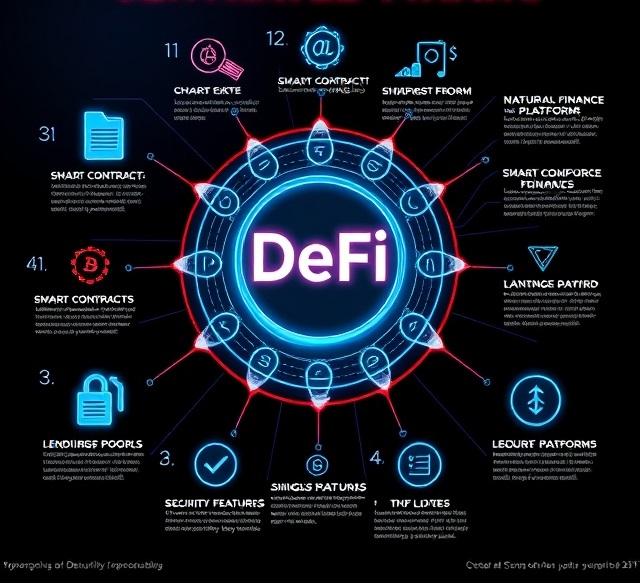
Decentralized Finance (DeFi) is one of the most exciting and rapidly growing trends in the financial sector. By leveraging blockchain technology and smart contracts, DeFi allows for the creation of financial services without relying on traditional intermediaries like banks. Here’s a closer look at what DeFi is, its potential benefits, and how it’s changing the world of finance.
What is DeFi and How Does it Work?
DeFi refers to a wide range of financial applications built on blockchain technology. Unlike traditional financial systems that rely on centralized institutions, DeFi platforms use smart contracts—self-executing contracts with the terms directly written into code—to facilitate transactions without the need for intermediaries.
Some of the most popular DeFi services include:
- Decentralized exchanges (DEXs): Platforms where users can trade cryptocurrencies directly with each other.
- Lending platforms: DeFi platforms allow users to lend and borrow digital assets, earning interest on their holdings.
- Yield farming: A way for cryptocurrency holders to earn passive income by providing liquidity to decentralized protocols.
- Liquidity pools: Pools of funds provided by users to facilitate trading on decentralized exchanges.
The Advantages of DeFi
- Transparency: Every transaction on the blockchain is recorded publicly, offering greater transparency than traditional financial systems.
- Security: DeFi platforms are built on secure blockchain protocols, which are less prone to hacks than centralized databases.
- Lower Fees: DeFi eliminates the need for intermediaries, reducing transaction costs.
- Accessibility: Anyone with internet access can participate in DeFi, offering financial services to the unbanked and underbanked populations worldwide.
Risks of DeFi
While DeFi offers numerous benefits, it’s essential to be aware of the risks involved:
- Smart contract bugs: If there’s an error in the code, it could lead to significant losses.
- Hacks and vulnerabilities: DeFi platforms, especially new ones, may be vulnerable to attacks.
- Regulatory uncertainty: Since DeFi operates outside traditional regulations, it may face legal challenges in the future.
The Future of DeFi
The future of DeFi looks incredibly promising, with potential for disruption across the entire financial system. As technology improves, DeFi platforms will likely become more scalable, secure, and user-friendly. With continued innovation, DeFi could even integrate with traditional finance, bridging the gap between the decentralized world and conventional banking.
Conclusion
Decentralized Finance is poised to reshape the financial landscape by offering more secure, transparent, and accessible financial services. However, as with any emerging technology, it’s important to understand both its potential and the risks involved before diving in.