

Travel Insurance Explained: What It Covers and When You Need It
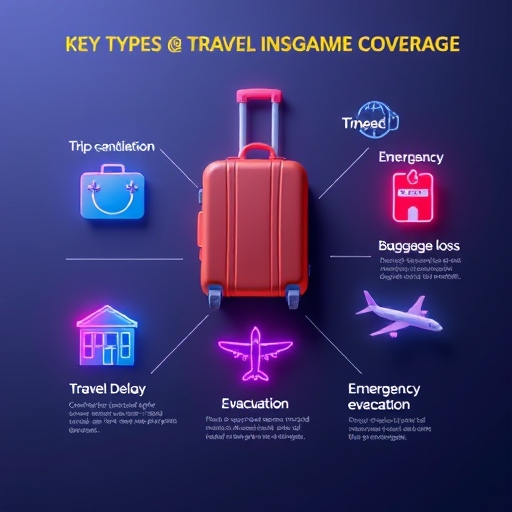
Travel insurance is designed to protect you from unforeseen events that may disrupt your trip, whether it’s a medical emergency, trip cancellation, or lost baggage. Understanding what travel insurance covers and when you need it can ensure that you’re prepared for the unexpected. Here’s a breakdown of the most common types of travel insurance and when they are essential.
1. What Does Travel Insurance Cover?
Travel insurance typically includes several coverage options, each aimed at different potential issues you may face while traveling:
- Trip Cancellation/Interruption: If you need to cancel or cut your trip short due to illness, injury, or other covered reasons (e.g., natural disaster, family emergency), this coverage reimburses you for the non-refundable trip costs.
- Medical Emergency Coverage: Covers medical expenses if you get sick or injured while traveling, including hospitalization, doctor visits, and medication. This is especially important when traveling abroad where your health insurance may not be valid.
- Baggage Loss or Delay: This provides reimbursement for lost or delayed baggage, helping to cover the cost of essential items like clothing and toiletries until your luggage is returned.
- Emergency Evacuation: In the event of an emergency (such as a natural disaster or political unrest), this covers the cost of evacuation or transportation to a medical facility.
- Travel Delay: If your travel plans are delayed due to reasons like inclement weather or airline issues, this coverage compensates for accommodation, meals, and transportation.
- Accidental Death and Dismemberment: Offers a payout to your beneficiaries in the event of your death or severe injury while traveling.
2. Why Do You Need Travel Insurance?
While traveling is often an exciting experience, things can go wrong, and travel insurance provides peace of mind in case the unexpected happens. Here’s why you need it:
- Financial Protection: Without insurance, costs related to cancellations, medical emergencies, or lost luggage can quickly add up, especially if you’re abroad. Travel insurance helps mitigate these financial risks.
- Health Coverage Abroad: Many domestic health insurance plans do not cover medical expenses outside your home country. Travel insurance fills this gap by covering medical treatment and emergencies, ensuring you don’t face astronomical bills if you need healthcare while traveling.
- Trip Cancellation and Interruption: Life happens, and if you need to cancel or cut your trip short, having travel insurance ensures you’ll recover the costs you’ve already paid for the trip.
- Emergency Situations: Whether you face an emergency evacuation due to a natural disaster or political unrest, travel insurance ensures you’re not left to deal with the logistics and high costs alone.
3. When Should You Consider Travel Insurance?
While travel insurance isn’t necessary for every trip, there are certain situations where it’s highly recommended:
- Long or Expensive Trips: For trips with significant financial investment, like international vacations or cruises, the potential for unexpected events is greater, making insurance a good idea.
- Traveling to Remote Areas: If you’re heading to a destination with limited access to medical facilities, having coverage for emergencies becomes crucial.
- Health Concerns: If you have existing health conditions or concerns about falling ill or injured, medical emergency coverage can provide reassurance.
- Uncertain Travel Plans: If your travel plans are not set in stone, or if you’re traveling during a season of unpredictable weather, insurance can help cover potential cancellations or delays.
- Adventure Travel: If you’re planning adventurous activities like hiking, skiing, or diving, these activities often carry inherent risks, making travel insurance even more essential.
4. How to Choose the Right Travel Insurance Policy?
- Assess Your Needs: Understand what you need coverage for. If you’re traveling abroad, medical coverage is essential. If you’re booking expensive flights or hotels, trip cancellation might be more important.
- Check Your Existing Coverage: Some health insurance policies or credit cards offer limited travel insurance benefits. Make sure to review these before purchasing additional coverage.
- Look at the Fine Print: Carefully read the policy’s exclusions and coverage limits. Some policies might not cover pre-existing medical conditions or certain activities like extreme sports.
- Compare Policies: Prices and coverage options vary widely. Compare different providers to ensure you’re getting the best deal for your needs.
5. Does Travel Insurance Cover Everything?
While travel insurance can cover many potential issues, it’s important to note that there are limitations:
- Exclusions for Pre-existing Conditions: Many travel insurance policies don’t cover medical emergencies related to pre-existing conditions unless you purchase specific coverage.
- Non-refundable Trip Costs: If you’ve booked a trip but choose to cancel for reasons not covered under the policy (e.g., a change of mind), you may not be reimbursed.
- Risky Activities: Adventure activities or extreme sports, such as skydiving or scuba diving, might require additional coverage or may be excluded altogether.
Conclusion
Travel insurance is an important investment to protect yourself and your finances while traveling. Whether you’re traveling internationally or domestically, it provides coverage for a wide range of unexpected events, from medical emergencies to trip cancellations. By understanding what travel insurance covers and selecting the right policy for your trip, you can travel with confidence and peace of mind.