

Private Equity: What It Is and How It Can Benefit Your Portfolio
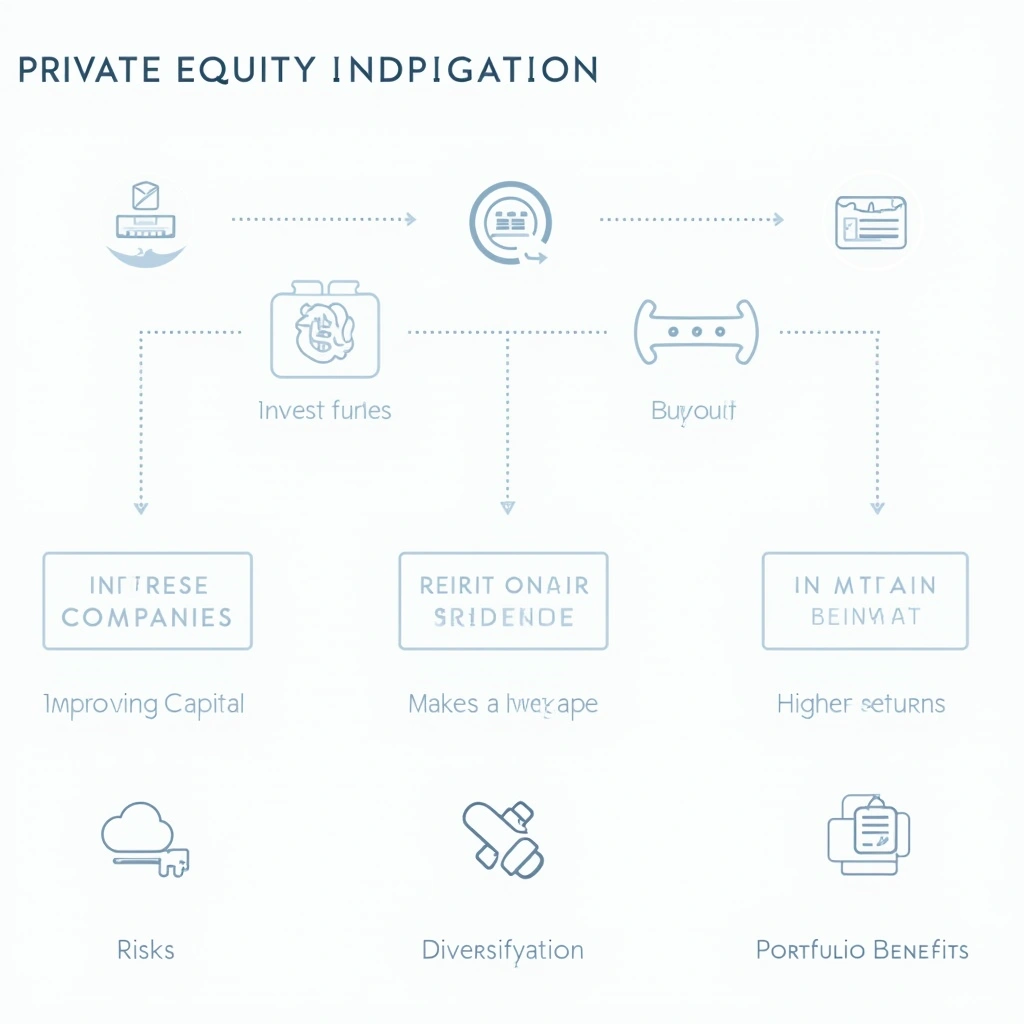
Private equity (PE) is a form of alternative investment that involves investing directly in private companies or buying out public companies to delist them from the stock exchange. Unlike stocks or bonds, which are traded on public markets, private equity investments are not publicly listed and usually require a higher level of capital and a longer investment horizon.
In this post, we will explore what private equity is, how it works, and how it can benefit your investment portfolio.
What Is Private Equity?
Private equity refers to investments made into companies that are not listed on public stock exchanges. These companies can be early-stage startups, established companies seeking growth capital, or companies that are undervalued and in need of restructuring. Private equity investors typically aim to enhance the performance and profitability of these companies, with the goal of eventually selling the company or taking it public for a significant return on investment.
Private equity investments typically take place through:
- Venture Capital (VC): Investments in early-stage startups with high growth potential.
- Buyouts: Purchasing a company, often with the goal of improving its operations and profitability before selling or taking it public.
- Growth Capital: Providing funds to established companies in need of capital to expand or restructure.
How Does Private Equity Work?
Private equity firms typically raise funds from investors (usually high-net-worth individuals, institutional investors, or pension funds) to create a private equity fund. These funds are then used to acquire, invest in, or restructure businesses. The goal is to increase the value of the business over several years and ultimately sell the business or take it public for a profit.
The private equity firm usually works closely with the management team of the portfolio company to improve operations, increase revenues, reduce costs, or implement new strategies. The firm might also provide expertise, resources, or connections to help the business grow. The fund will typically hold investments for several years before selling or exiting them, which means that private equity is generally a long-term investment strategy.
How Can Private Equity Benefit Your Portfolio?
- Diversification:
- Private equity investments provide access to companies and industries that are not correlated with traditional markets. As a result, they can help diversify your portfolio and reduce overall risk, particularly when markets are volatile.
- Higher Returns:
- While private equity investments are often illiquid and come with higher risks, they have the potential for much higher returns compared to traditional investments like stocks and bonds. If the private equity firm successfully improves the business, the return on investment can be substantial.
- Access to High-Growth Opportunities:
- Private equity can give investors access to early-stage companies or high-growth businesses that may not be available through public markets. If successful, these companies can provide substantial capital appreciation, especially in sectors like technology or biotechnology.
- Active Involvement and Control:
- Many private equity firms take an active role in managing or advising the companies in which they invest. This hands-on involvement allows for better oversight and the implementation of strategies designed to enhance the value of the business.
- Hedge Against Market Volatility:
- Since private equity is often uncorrelated with stock market movements, it can serve as a hedge during periods of market volatility. When the public markets experience downturns, private equity investments can continue to perform well if the underlying companies remain solid.
- Strategic Exits:
- Private equity investments typically have a planned exit strategy, such as selling the company to another firm or taking it public through an Initial Public Offering (IPO). These exit strategies can lead to significant profits for investors if executed successfully.
Risks of Private Equity
While private equity offers many benefits, it is not without risks:
- Illiquidity: Private equity investments are not easily sold or traded. Investors may need to commit capital for several years before realizing any returns.
- High Risk: Many private equity investments, especially in startups or distressed companies, carry high risks. If the business fails or does not perform as expected, investors may lose their capital.
- High Minimum Investments: Private equity funds often require significant minimum investments, which can be a barrier for smaller investors.
- Management Fees: Private equity firms typically charge high fees for managing investments, which can reduce overall returns.
Conclusion
Private equity can be a powerful tool for diversifying and enhancing your portfolio, offering access to high-growth opportunities and the potential for substantial returns. However, it’s important to understand the risks involved and the illiquid nature of these investments before committing capital. If you have the resources and are willing to accept the risks, private equity could be a valuable addition to your long-term investment strategy.