

Real Estate as an Alternative Investment: What You Need to Know
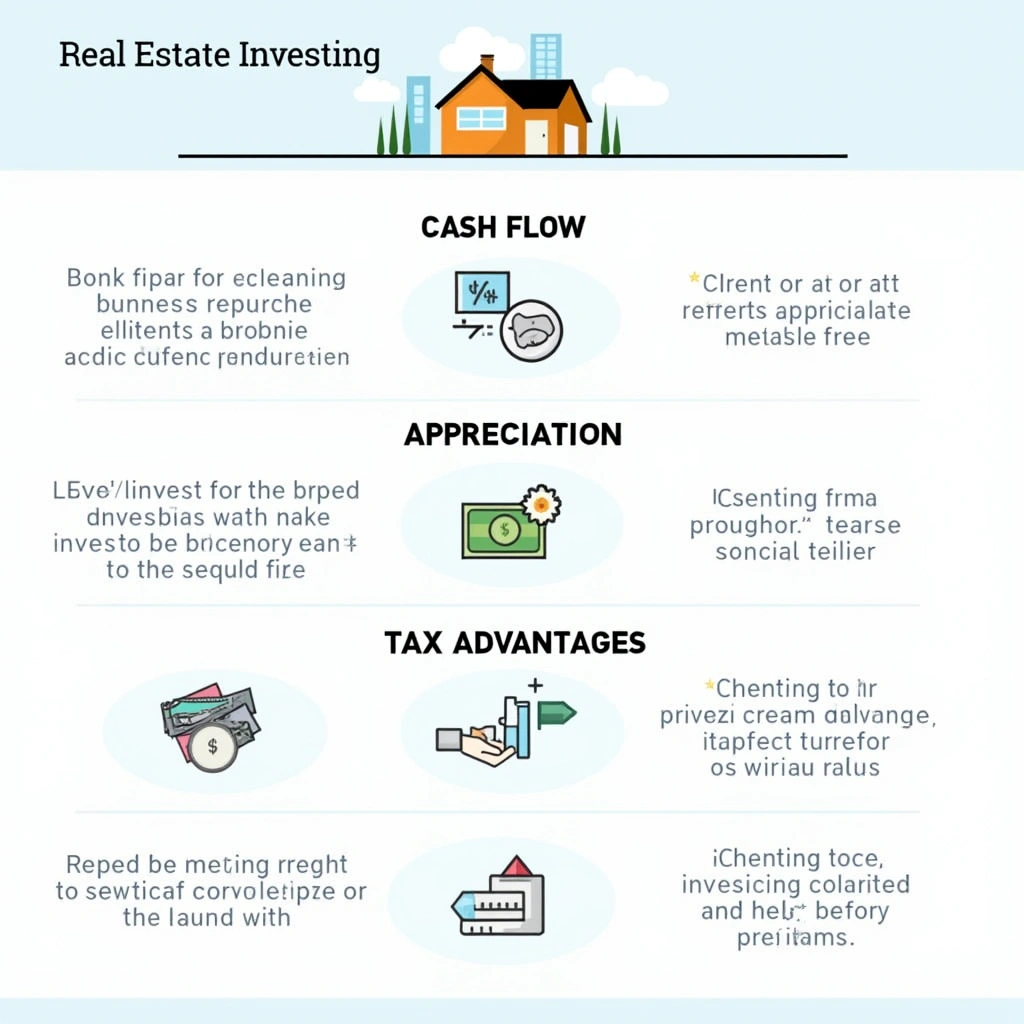
When most people think about investing, stocks and bonds are often the first options that come to mind. However, real estate has long been considered one of the most reliable and profitable alternative investments. It offers numerous benefits, from steady cash flow to potential tax advantages, making it an attractive option for diversifying an investment portfolio. But like any investment, real estate comes with its own set of risks and challenges.
In this post, we’ll explore the benefits of real estate as an alternative investment, how it works, and what you need to know before diving into the property market.
What Is Real Estate Investing?
Real estate investing involves purchasing, owning, managing, renting, or selling properties for profit. Unlike stocks or bonds, which represent a share of ownership in a company or a debt instrument, real estate involves tangible assets—such as land, residential homes, commercial buildings, or industrial properties—that can generate income through rent or capital appreciation.
There are several ways to invest in real estate, including:
- Direct Investment: Purchasing property directly and either renting it out for cash flow or waiting for it to appreciate in value for resale.
- Real Estate Investment Trusts (REITs): Investing in publicly traded companies that own, operate, or finance income-producing properties.
- Crowdfunding Platforms: Pooling funds with other investors to finance real estate projects through online platforms.
- Real Estate Mutual Funds: Investing in a basket of real estate assets or REITs that are managed by a professional fund manager.
Benefits of Real Estate as an Alternative Investment
- Steady Cash Flow:
- One of the biggest advantages of real estate investing is the potential for consistent cash flow. If you own rental properties, you can generate monthly income from tenants. This makes real estate a great way to supplement other investment income or serve as a long-term wealth-building tool.
- Appreciation of Property Value:
- Over time, real estate properties generally increase in value, making them an attractive long-term investment. While the market can fluctuate, real estate historically appreciates in value over several years, and this growth can provide significant returns.
- Diversification:
- Real estate can provide diversification to an investment portfolio. Since real estate typically does not move in sync with stock or bond markets, it can help reduce overall portfolio volatility. By adding real estate to your portfolio, you are less exposed to the fluctuations of traditional asset classes.
- Tax Benefits:
- Real estate investors can take advantage of several tax benefits, such as depreciation, property tax deductions, and mortgage interest deductions. These benefits can reduce your taxable income and increase the overall profitability of your real estate investment.
- Hedge Against Inflation:
- Real estate is often considered a good hedge against inflation. As inflation rises, property values and rental income typically increase as well, allowing real estate investors to maintain purchasing power. This makes real estate a strong long-term investment during times of economic uncertainty.
- Leverage:
- Real estate investors can use leverage (borrowing money to finance a property) to increase their potential returns. Unlike other investments where you must invest the entire amount upfront, real estate allows you to control a larger asset with a smaller initial investment, amplifying the return on investment (ROI).
Risks and Challenges of Real Estate Investing
- Illiquidity:
- Unlike stocks or bonds, real estate is not a liquid asset. If you need to sell a property, it could take months or even years to find a buyer, especially in a slow market. This means that you may not be able to quickly access your capital if you need it for other investments or emergencies.
- High Initial Capital Requirements:
- Real estate investing often requires a large upfront investment. Whether you are purchasing a property directly or investing through a REIT, the initial capital needed to enter the market can be substantial, making it less accessible for smaller investors.
- Market Volatility:
- While real estate can provide long-term growth, property values can also fluctuate significantly, especially in the short term. Factors such as economic downturns, changes in interest rates, and local market conditions can affect property values, potentially leading to losses.
- Property Management:
- Owning rental properties requires management, whether it’s handling maintenance, collecting rent, or addressing tenant issues. For those who do not have the time or expertise to manage a property, hiring a property management company can incur additional costs and reduce profit margins.
- Interest Rates:
- Real estate is highly sensitive to changes in interest rates. When interest rates rise, borrowing costs increase, which can impact property prices and reduce the affordability of mortgage loans. Rising interest rates can also lead to higher monthly payments on loans, potentially reducing cash flow from rental properties.
- Legal and Regulatory Risks:
- Real estate investments are subject to local laws and regulations, including zoning laws, tenant rights, and rent control laws. These regulations can affect property values, rental income, and the ability to buy or sell properties.
Is Real Estate a Good Investment for You?
Real estate can be a profitable and rewarding alternative investment, but it’s not suitable for everyone. It requires a significant amount of capital, time, and expertise to navigate the complexities of the market. Additionally, real estate investing comes with certain risks that should be carefully considered.
Before investing in real estate, it’s important to assess your financial situation, investment goals, and risk tolerance. Consider whether you are prepared to manage a property, or if you would prefer a more passive investment option such as REITs or crowdfunding platforms. Real estate investing can be a great way to diversify your portfolio and build long-term wealth, but it’s essential to do your research and understand the market dynamics.